Why Outdoor Gear Marketing Rarely Looks Like Who's Actually on the Trail
Quick Answer: Outdoor gear marketing skews toward a narrow body type, but the trail doesn’t care what size you are — comfortable, genuinely wide-range activewear matters more on a three-hour hike than almost any other setting. Fit failures show up fast when you’re moving for hours.
Trail photos in outdoor marketing rarely look like most of the people actually on the trail, which makes finding gear that fits comfortably feel harder than it should.
Why does sizing usually fail specifically during hours on the trail?
Most size charts are built around a narrow middle range and then extrapolated outward, which is exactly where fit tends to break down — at the thigh, the waistband, or through the hip. During hours on the trail, those small mismatches become genuinely uncomfortable instead of just a minor annoyance.
What actually makes a size range genuinely wide?
A genuinely wide size range means the pattern itself is graded for different proportions at each size, not just scaled uniformly from a single base pattern. A style like the Bootcut Yoga Pants is built with that kind of range in mind, with real stretch recovery that holds its shape through a full day of wear.
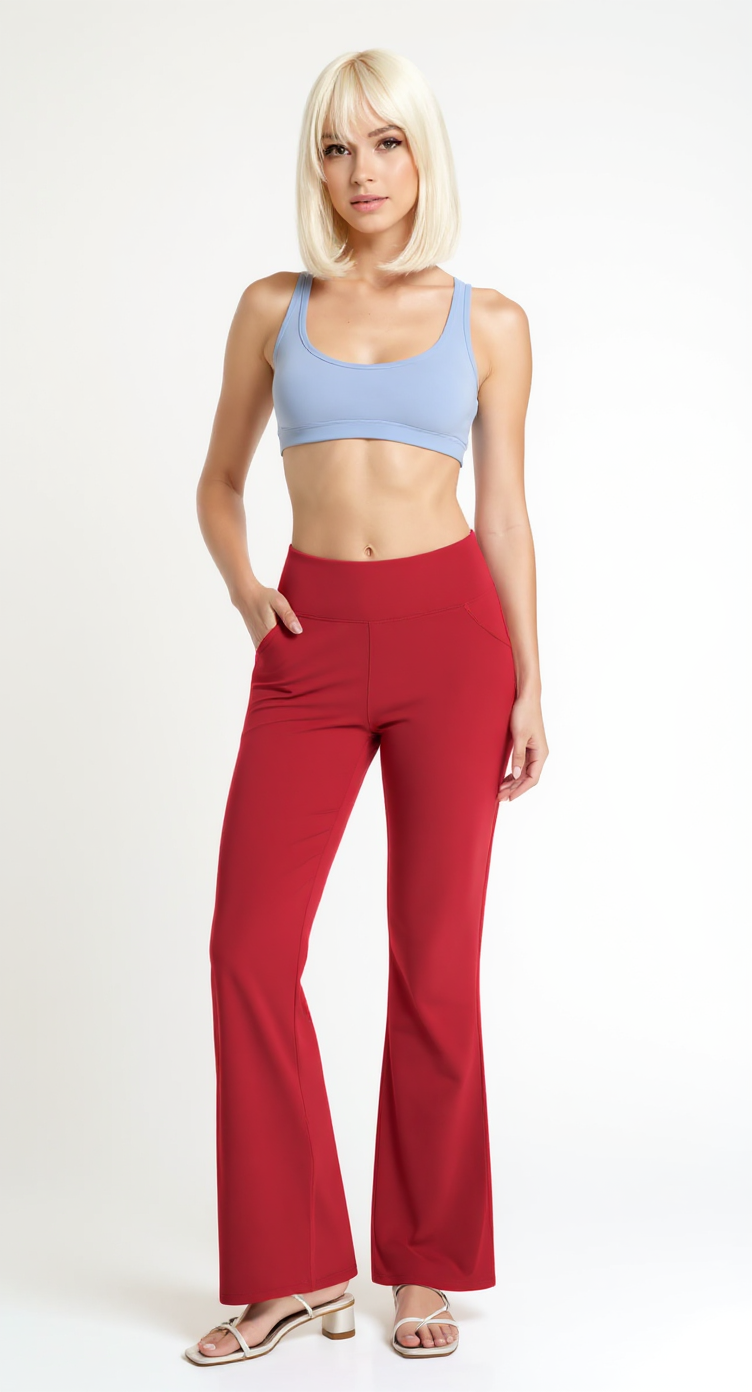
Does fabric stretch recovery matter as much as size range?
Genuinely, yes — a fabric with real stretch recovery (it snaps back instead of sagging) matters as much as the size range itself. A wide size in fabric that loses its shape by afternoon isn’t actually solving the comfort problem.
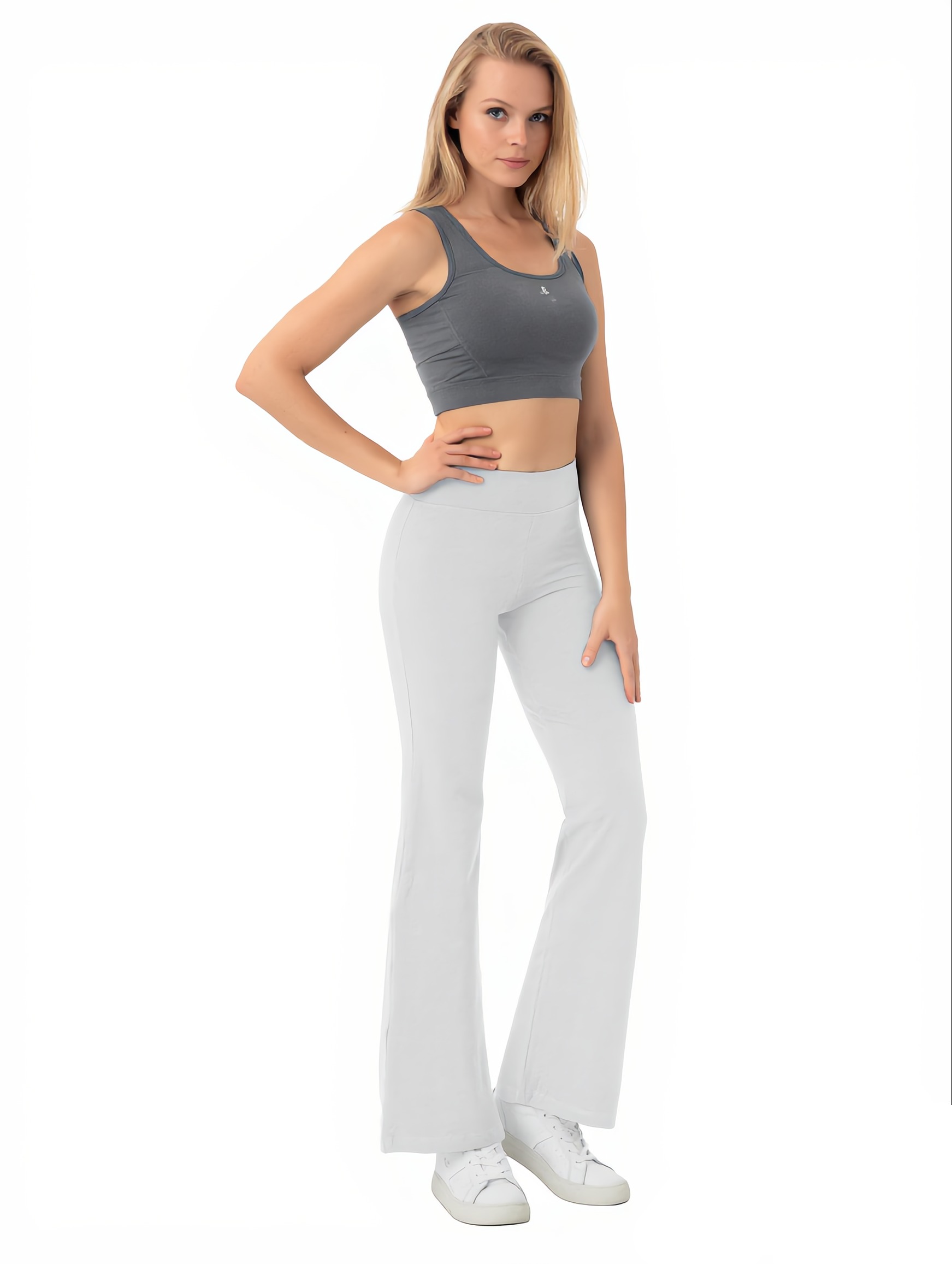
In practice, this shows up as the quiet math a lot of shoppers do without noticing — checking the size chart before the price, scanning reviews for anyone who mentions a similar body type, bracing for the return process before even clicking add to cart. None of that should be necessary when the sizing is actually built right the first time.
What Nobody Tells You About This
Sizing up doesn’t fix a length or fit problem — it just changes the width. The two variables (length, size range) need to be solved independently; a bigger size in the wrong length or pattern grade is still the wrong fit.
Reviews mentioning multi-hour wear are worth more than first-impression reviews. Fit problems — riding up, digging in, losing shape — usually show up after an hour or more, not in a dressing room try-on.
A brand that solves this well usually says so specifically. Vague marketing language (‘inclusive fit’, ‘flattering for everyone’) is worth less than an actual size chart in inches or a stated inseam range.
How do I find my actual size in a wide-range brand?
Check the brand’s actual size chart in inches, not just the label — ‘XL’ means different measurements at different companies. If you’re between two sizes, sizing up in a fabric with strong stretch recovery is usually more comfortable long-term than sizing down and hoping it stretches out.
FAQ: Questions, Answered
Q: Does a wider size range actually mean better fit, or just more sizes? It should mean the pattern itself is graded differently per size, not just scaled — check reviews or size charts for signs the brand actually adjusts proportions, not just the numbers.
Q: How do I know if stretch recovery is good before buying? Look for fabric blends with a meaningful percentage of spandex or elastane (usually 15%+) and check reviews mentioning wear after multiple washes, not just first impressions.
Q: Is sizing up always the safer choice in activewear? Generally yes for comfort during hours on the trail — a slightly looser fit with good stretch recovery holds up better over hours of wear than something that fits tight from the first try-on.
Q: Should I expect the same fit across different styles from the same brand? Not always — even within one brand, a bootcut and a wide-leg can be graded slightly differently, so it’s worth checking the specific style’s size chart rather than assuming your usual size carries over.
TL;DR:
- Most size charts extrapolate from a narrow middle, which is exactly where fit breaks down
- A genuinely wide size range means the pattern is graded per size, not just scaled
- Stretch recovery matters as much as the size number itself
- Sizing up in a fabric with strong recovery beats sizing down and hoping it stretches
Whatever the specific fit challenge, the right piece solves it by design, not by compromise.
Keep Reading
This article is for general informational and styling purposes only. Fit, sizing, and product availability may vary.