What Actually Works for Plus-Size Hiking Gear (Beyond Just Sizing Up)
Quick Answer: The biggest functional gaps in plus-size hiking gear aren’t usually about overall size availability anymore — they’re about proportional features like pack hip-belt length, pant gusseting for range of motion, and boot width, which don’t automatically scale correctly even when a larger size exists.
More outdoor brands now offer extended sizing than five years ago, which is real progress. But ‘available in your size’ and ‘actually functions well on the trail’ are still two different questions, and the gap between them is where most frustration lives.
Why doesn’t a bigger size automatically mean a functional fit?
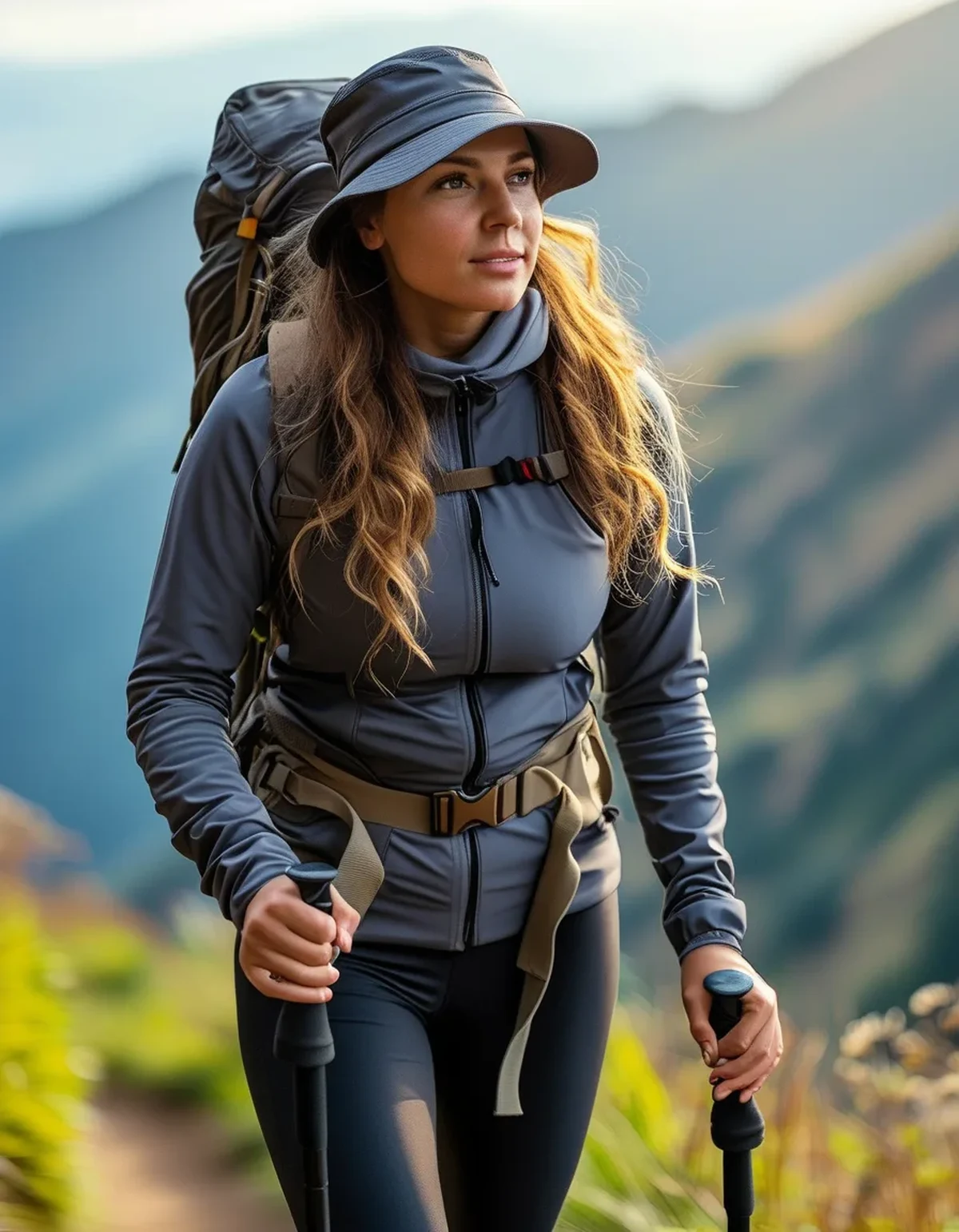
Because many outdoor garments have structural features — a pack’s hip belt, a pant’s crotch gusset, a boot’s width — that don’t scale proportionally just because the overall size number goes up. A hiking pack graded up in torso length but not hip-belt length, for example, still won’t distribute weight correctly on a larger frame even in the ‘right’ size.
This is a design-scaling issue specific to technical gear, distinct from the general ‘does this brand carry my size’ question.
What should you check specifically on a hiking pack?
Hip belt length range (not just the pack’s overall size), since a properly fitted hip belt is what transfers weight off your shoulders — a belt that’s too short won’t wrap and buckle correctly regardless of the pack’s torso size being right. Some packs offer interchangeable or extended hip belts separately; that’s worth seeking out specifically over a pack with a fixed, non-adjustable belt.
What Nobody Tells You About Hiking Pants and Range of Motion
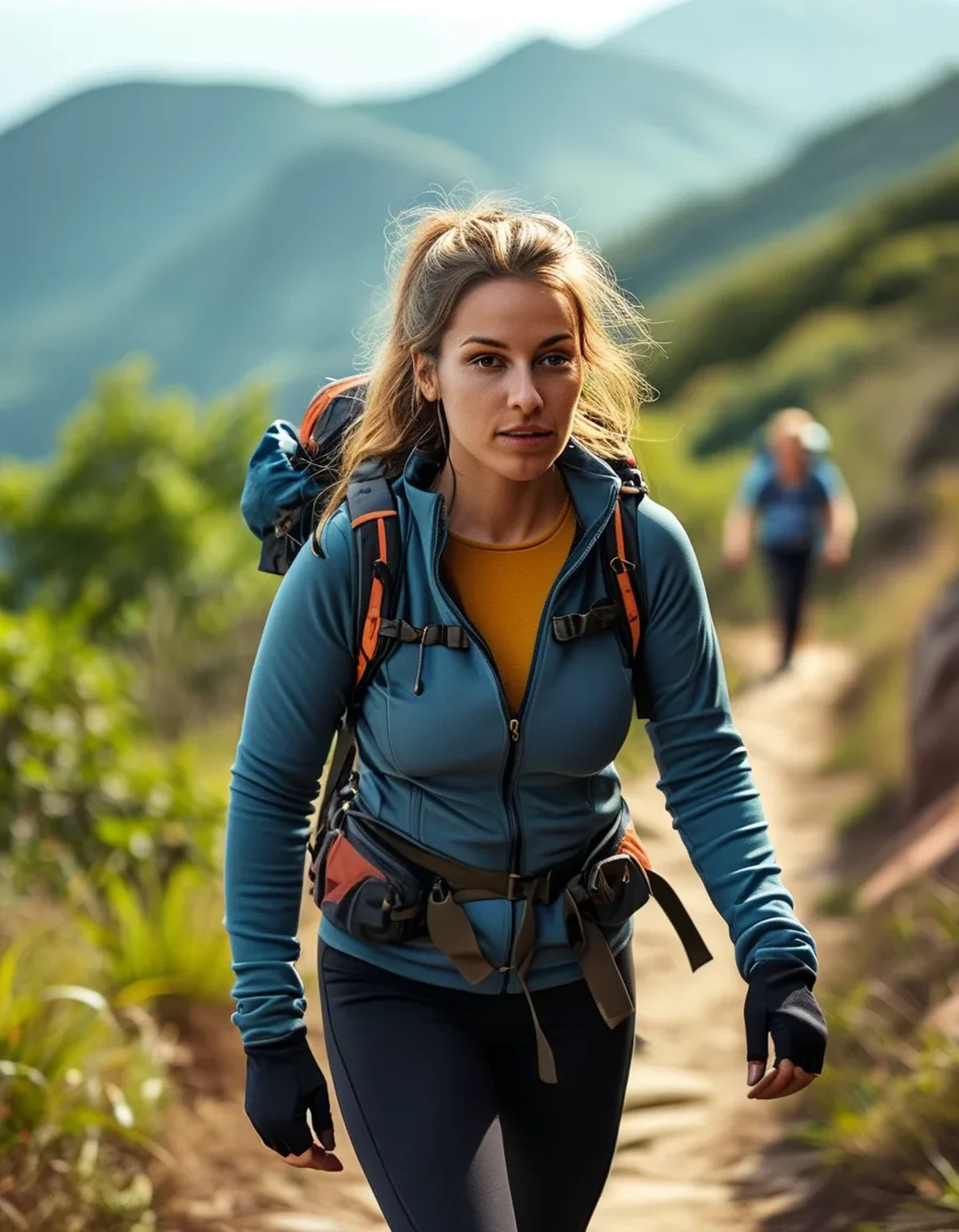
Standard hiking pants are often cut with minimal crotch gusseting (extra fabric panel that allows a full leg lift without pulling), assuming a narrower hip-to-thigh ratio. On a larger frame without that gusseting, high steps or scrambles can pull the whole pant uncomfortably tight across the seat — a genuine mobility issue, not just a comfort one.
Look specifically for pants marketed with ‘articulated knee’ or ‘gusseted crotch’ in the description — these terms indicate the pattern was built for full range of motion, not just sized up from a narrower base pattern.
Does boot fit have the same scaling issue?
Yes — boot width, like shoe width generally, often doesn’t scale at the same rate as length across a size run. A boot that’s the right length but too narrow causes real problems on descents specifically, where your foot needs room to move slightly forward without jamming your toes.
Brands offering explicit wide-width hiking boot options (not just bigger overall sizes) are solving this directly — worth prioritizing over a standard-width boot in a larger size.
FAQ: Plus-Size Hiking Gear Questions, Answered
Are there hiking brands that specifically design for plus-size bodies?
A growing number of outdoor brands have added extended sizing with genuine pattern redesign (not just linear scaling) — checking a brand’s own sizing philosophy statement, if they have one, is a good filter.
Does trekking pole grip or length need adjustment for a plus-size hiker?
Pole length is based on height, not size — the standard height-based sizing chart applies regardless of body size.
What’s the single highest-impact gear piece to get right first?
The pack’s hip belt, since ill-fitted weight distribution affects comfort and safety on every hike, more than any single clothing item.
TL;DR:
- Bigger size numbers don’t automatically fix structural features like hip-belt length or gusseting
- Check hip belt length range specifically on packs, not just overall pack size
- Gusseted or ‘articulated knee’ pants solve real range-of-motion problems on scrambles
- Boot width matters as much as length — look for explicit wide-width options
Shop for the structural features, not just the size number — that’s where the real functional gap has been.
Keep Reading
This article is for general informational and styling purposes only. Fit, sizing, and product availability may vary.