Why Outdoor Gear Marketing Rarely Looks Like Who's Actually on the Trail
Quick Answer: Outdoor participation surveys consistently show a far more size-diverse hiking population than outdoor brand marketing and size ranges reflect — most technical hiking lines still stop around a size 16-18, well short of actual demand. A smaller but growing set of brands extends technical fabrics and features (moisture-wicking, articulated knees, reinforced seams) through a full plus range.
If you’ve struggled to find genuinely technical hiking pants — not just “athleisure that could maybe work outdoors” — in your size, it’s not because plus-size hikers are rare. It’s because the gear industry’s size ranges haven’t caught up to who’s actually on the trail.
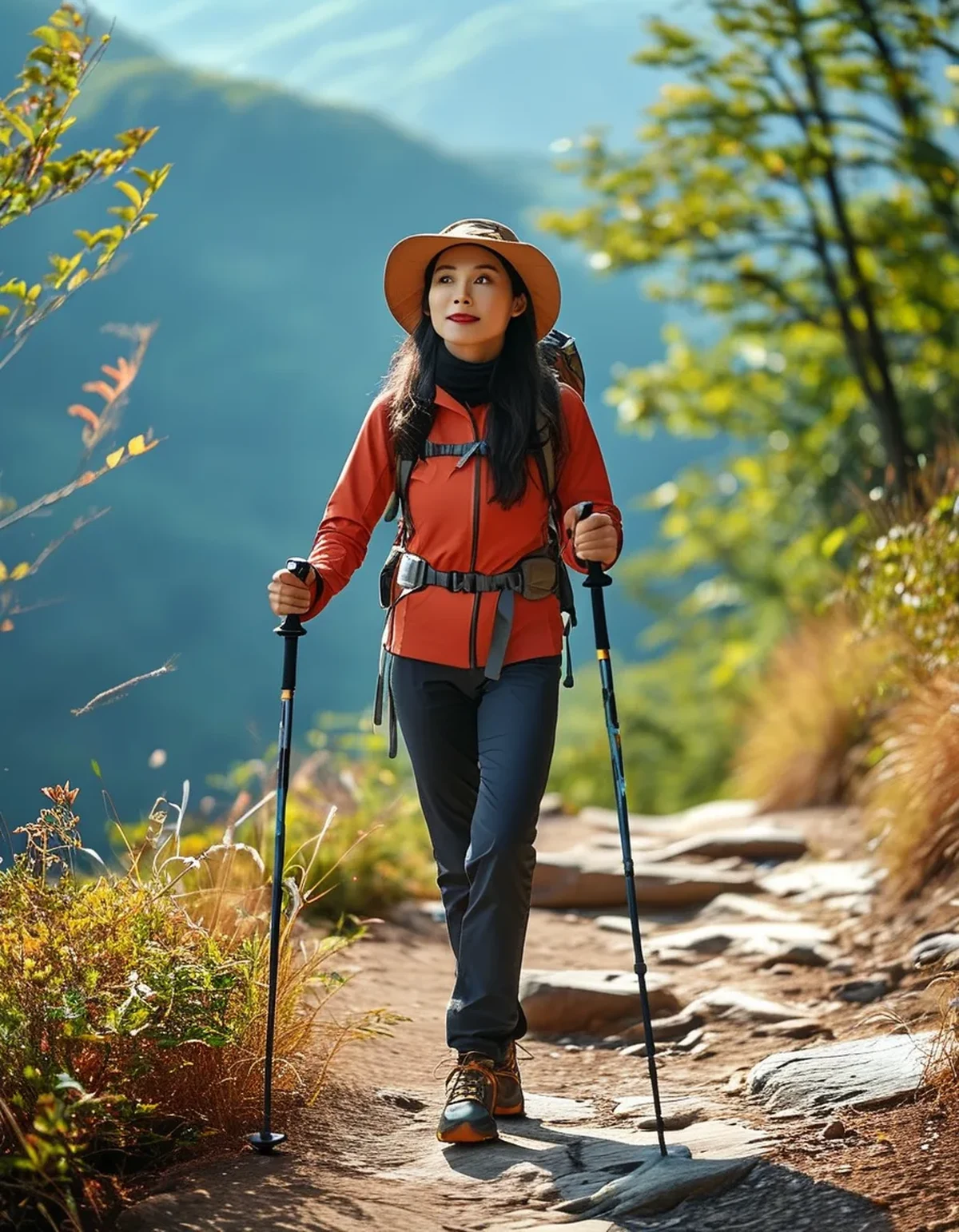
Why does outdoor gear specifically lag behind other activewear categories?
Technical outdoor gear (genuine moisture-wicking, articulated knees, abrasion-resistant fabric) is more expensive to produce across an extended size range than basic activewear, because it involves more complex pattern engineering to maintain performance features at every size — not just scaling a flat pattern up. This has historically made outdoor brands slower to extend size ranges than mainstream activewear, even though demand data doesn’t support that gap.
Outdoor brand marketing has also leaned heavily on a narrow “extreme athlete” aesthetic for decades, which shapes both what gets designed and who brands assume their customer is — a perception gap that’s increasingly out of step with actual outdoor participation demographics.
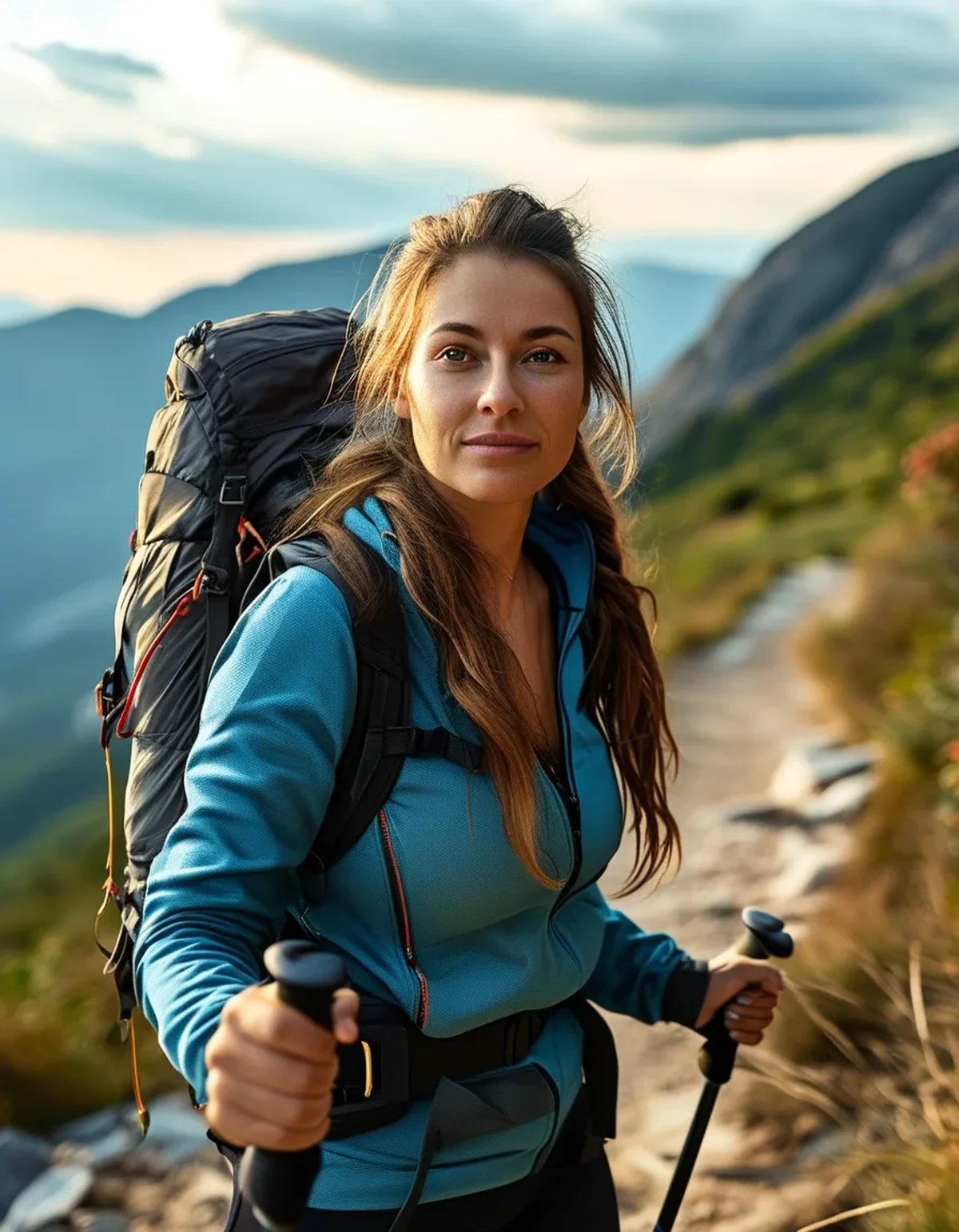
What should you actually look for in plus-size hiking gear?
Genuine technical fabric (check for actual moisture-wicking and quick-dry claims, not just “athletic-style”), articulated or gusseted knees for a full range of motion on uneven terrain, and reinforced seams are the features that matter functionally on trail — not just an extended size range on an otherwise basic legging.
A small but growing number of specialty and mainstream outdoor brands now design plus sizing from the same technical pattern as their standard range, rather than grading a basic version separately — worth specifically searching for, since it’s the difference between gear that performs on trail and gear that just fits.
What Nobody Tells You About Plus-Size Outdoor Gear
Outdoor participation data has shown for years that hikers span the full range of body sizes, but gear industry size ranges have been slower to reflect that than almost any other athletic category, including running and general fitness. This gap is increasingly being called out publicly by plus-size outdoor content creators, which has begun to shift a handful of major brands’ size ranges — but availability still varies significantly style to style, not brand-wide.
TL;DR:
- Outdoor participation data shows far more size diversity than outdoor gear marketing and size ranges reflect
- Technical gear is more complex and costly to produce across an extended range, which has slowed plus-size options
- Look for genuine technical fabric, articulated knees, and reinforced seams — not just an extended basic legging
- A growing number of brands now design plus sizing from the same technical pattern as standard sizing
The gap in plus-size outdoor gear was never about who’s on the trail — it’s about an industry that’s still catching up to what the trail actually looks like.
See It in Motion
Seen here: High Waist 8” Yoga Shorts — shop similar styles on bubblelime.com
Keep Reading
This article is for general informational and styling purposes only. Fit, sizing, and product availability may vary.